Viking Sword (U1.2)
Summary
A viking blade fit for raiding.
The Viking Age sword (also Viking sword) or Carolingian sword was a type of sword prevalent in Western and Northern Europe during the Early Middle Ages.
License
Tags
Languages
Any
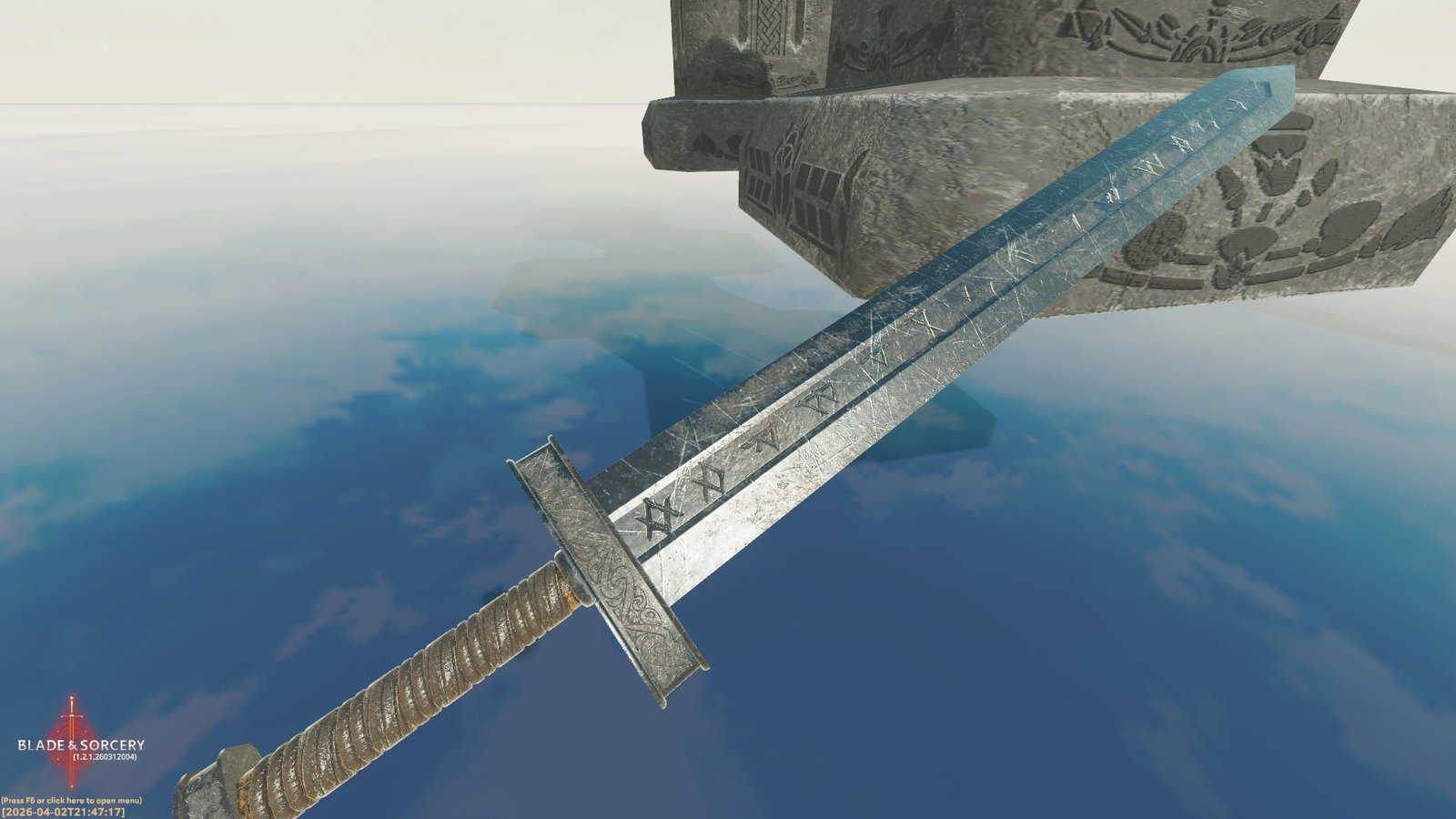
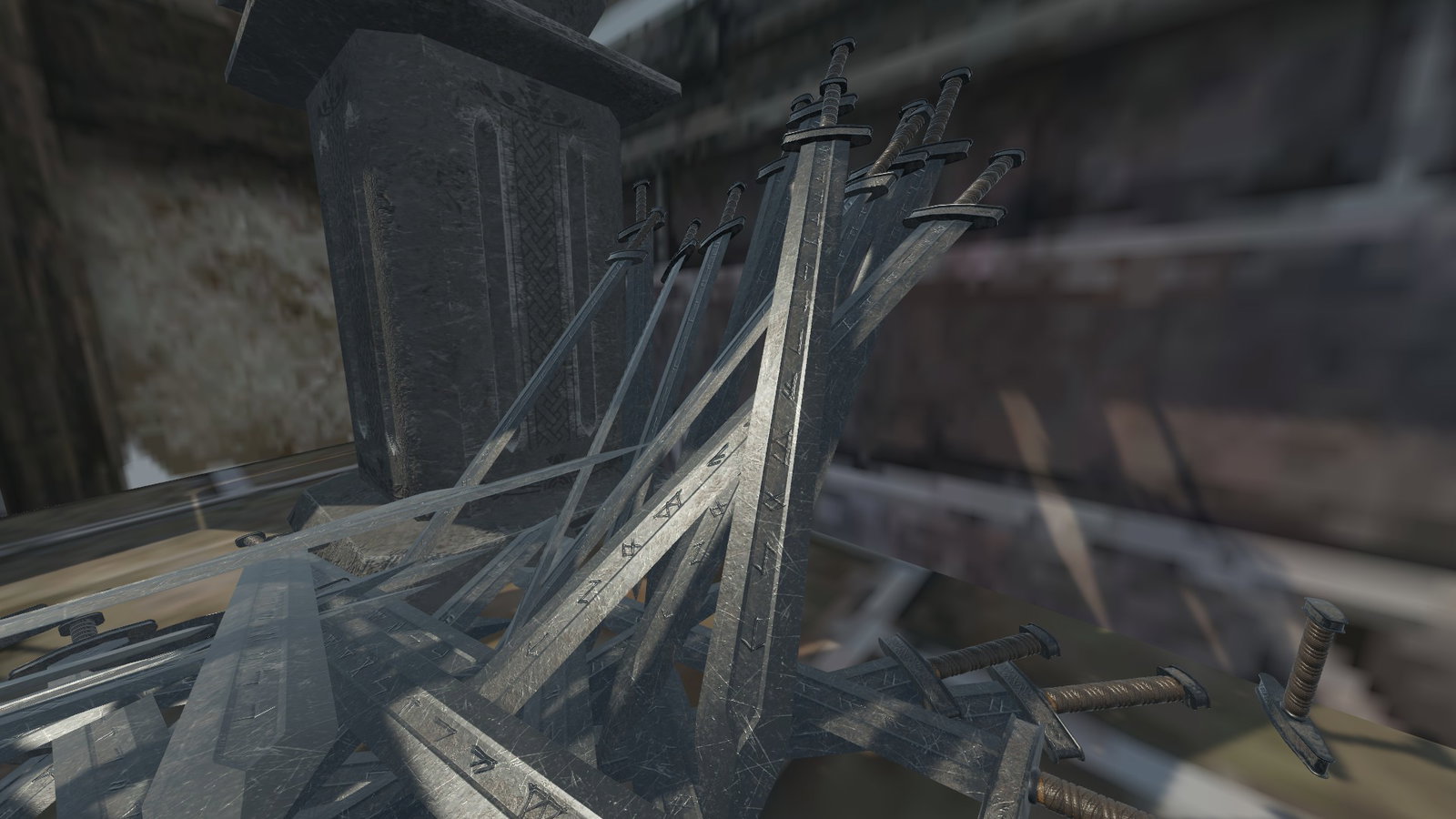
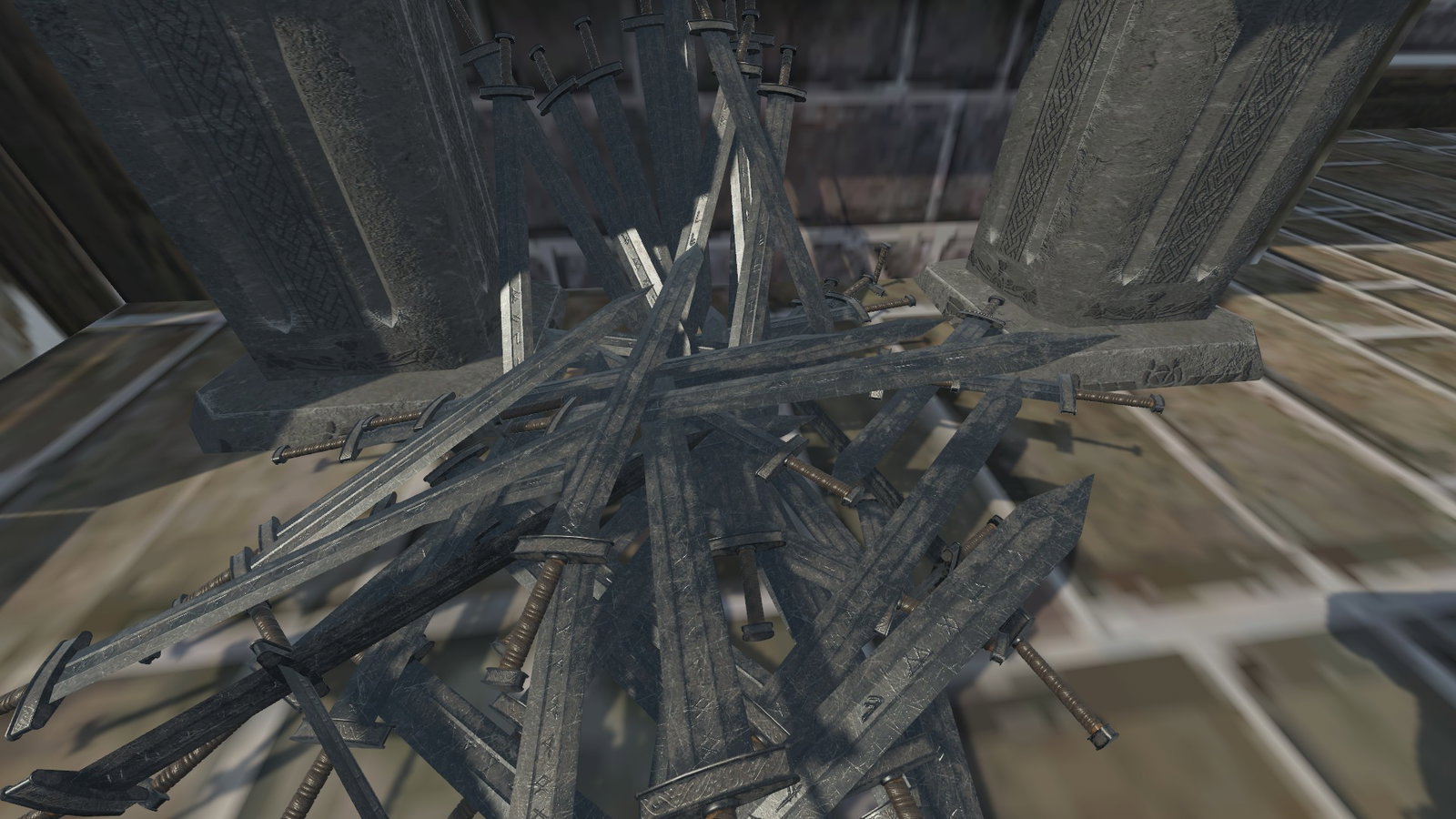
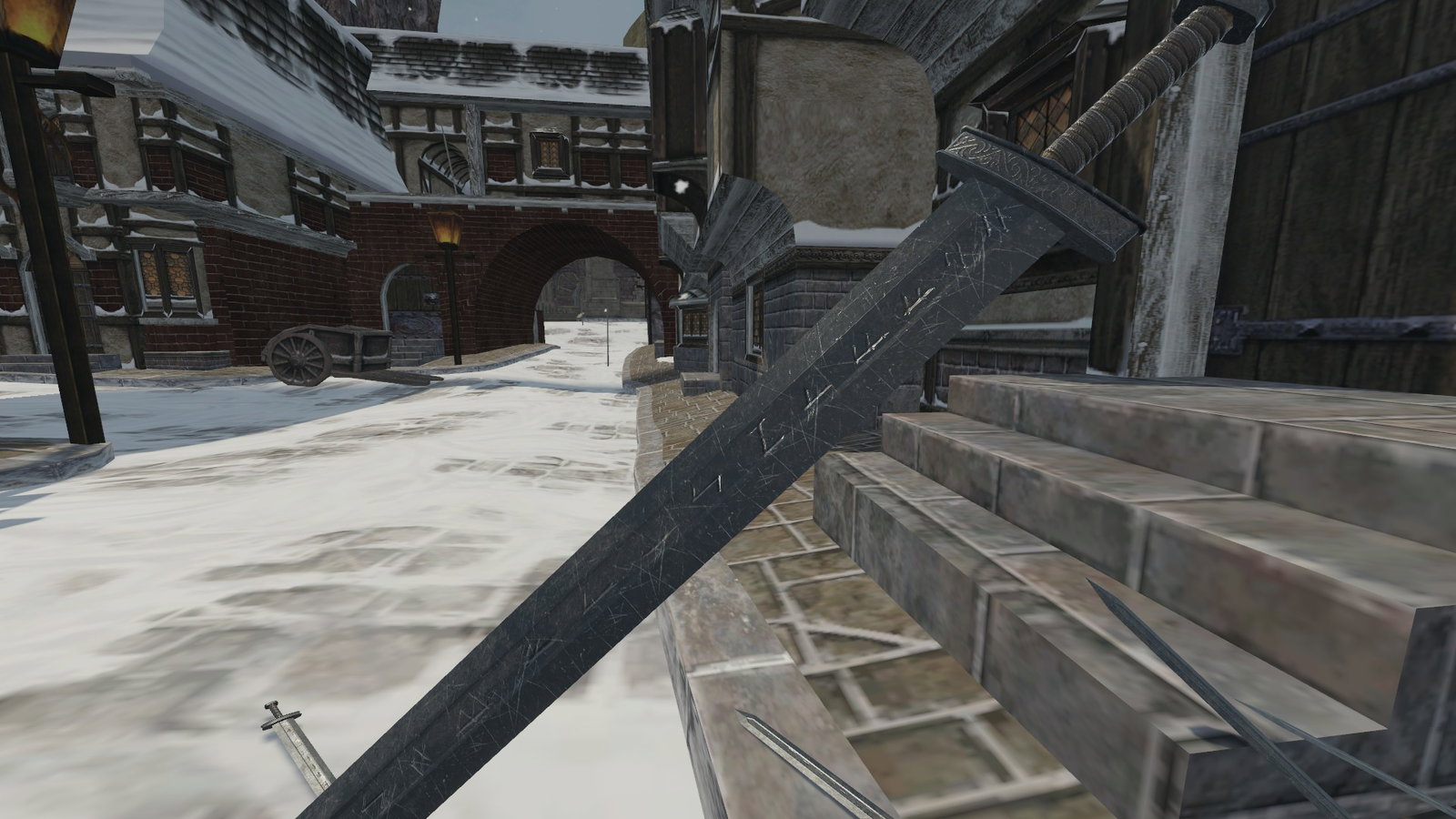



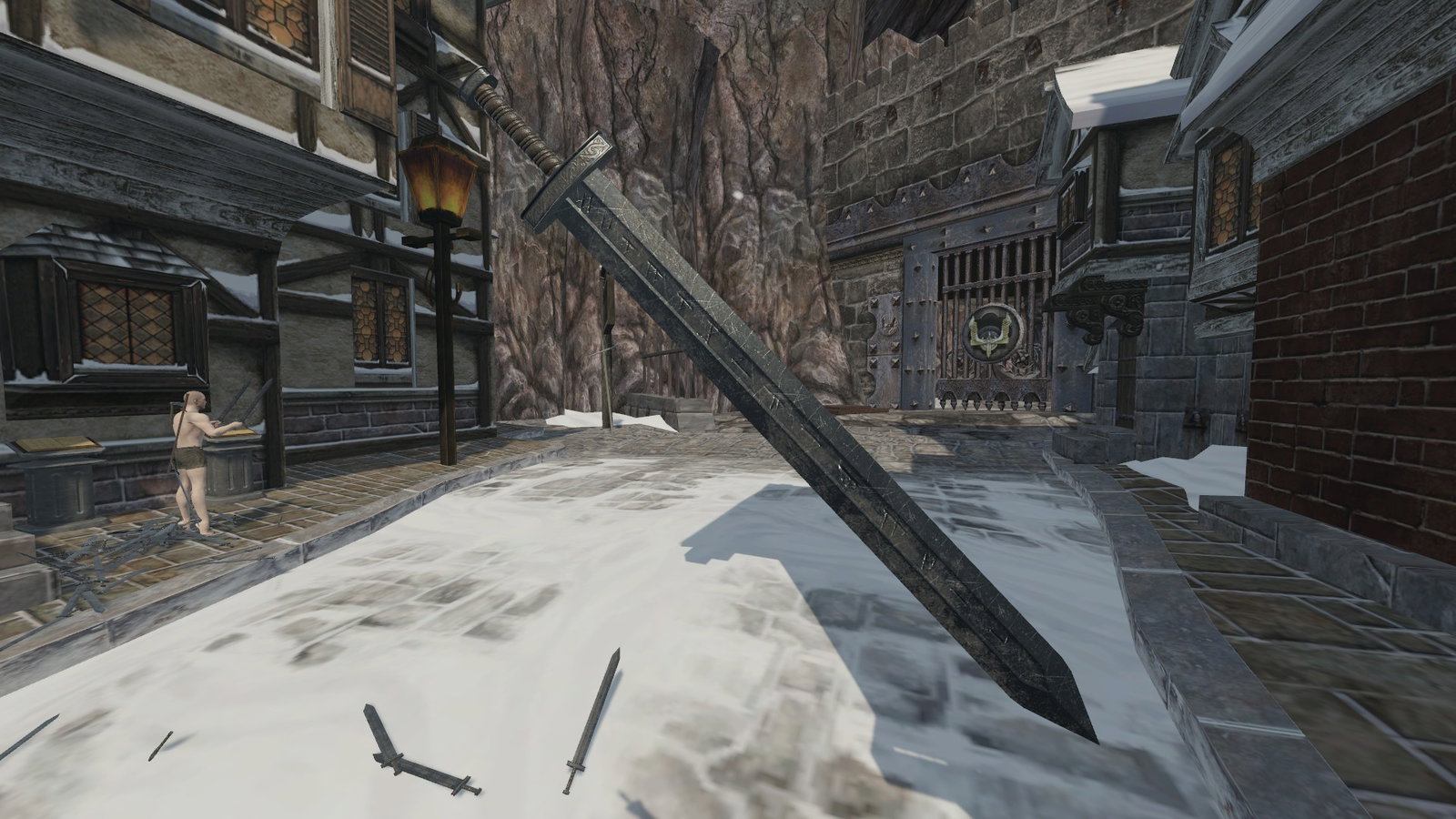


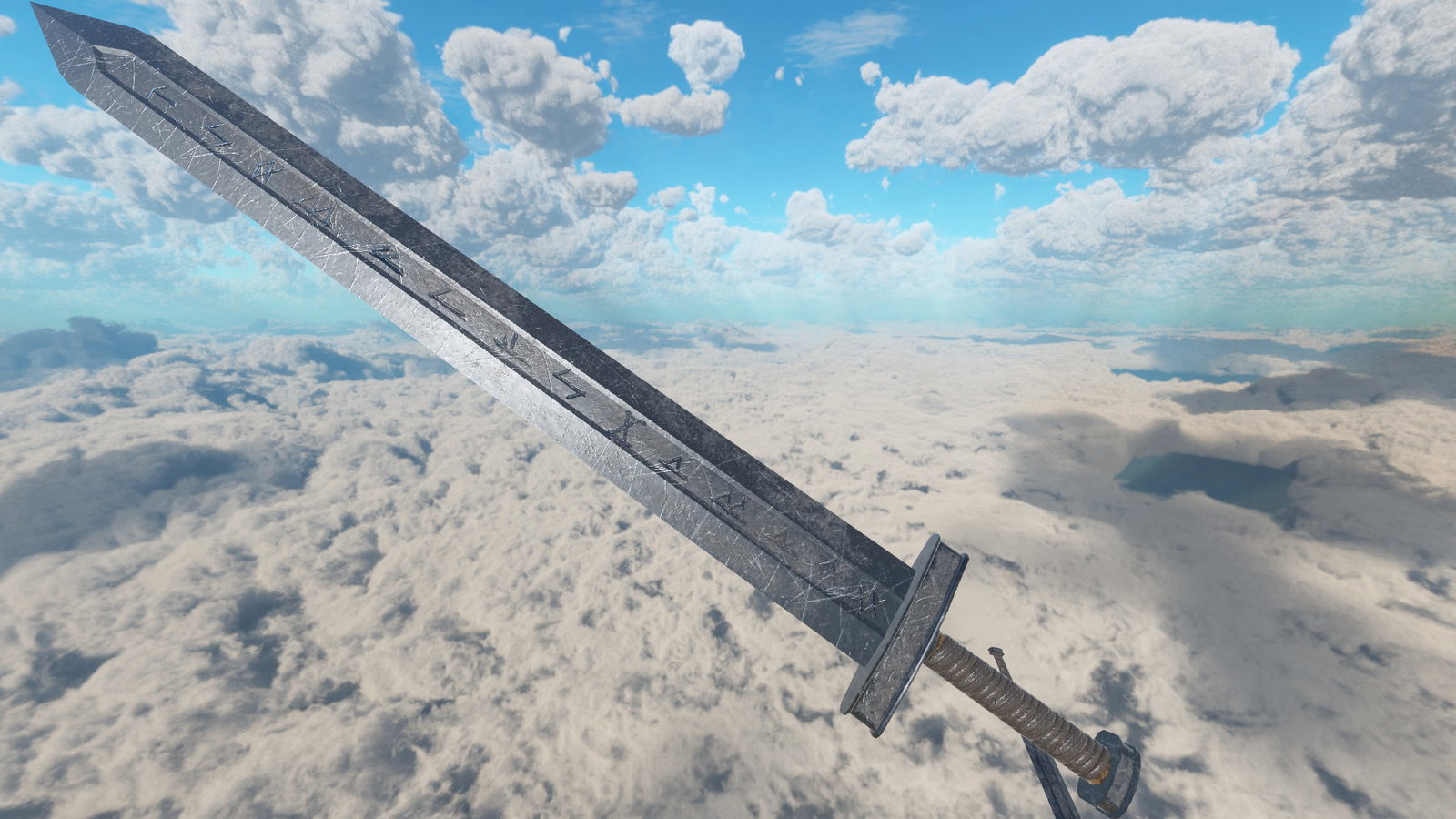


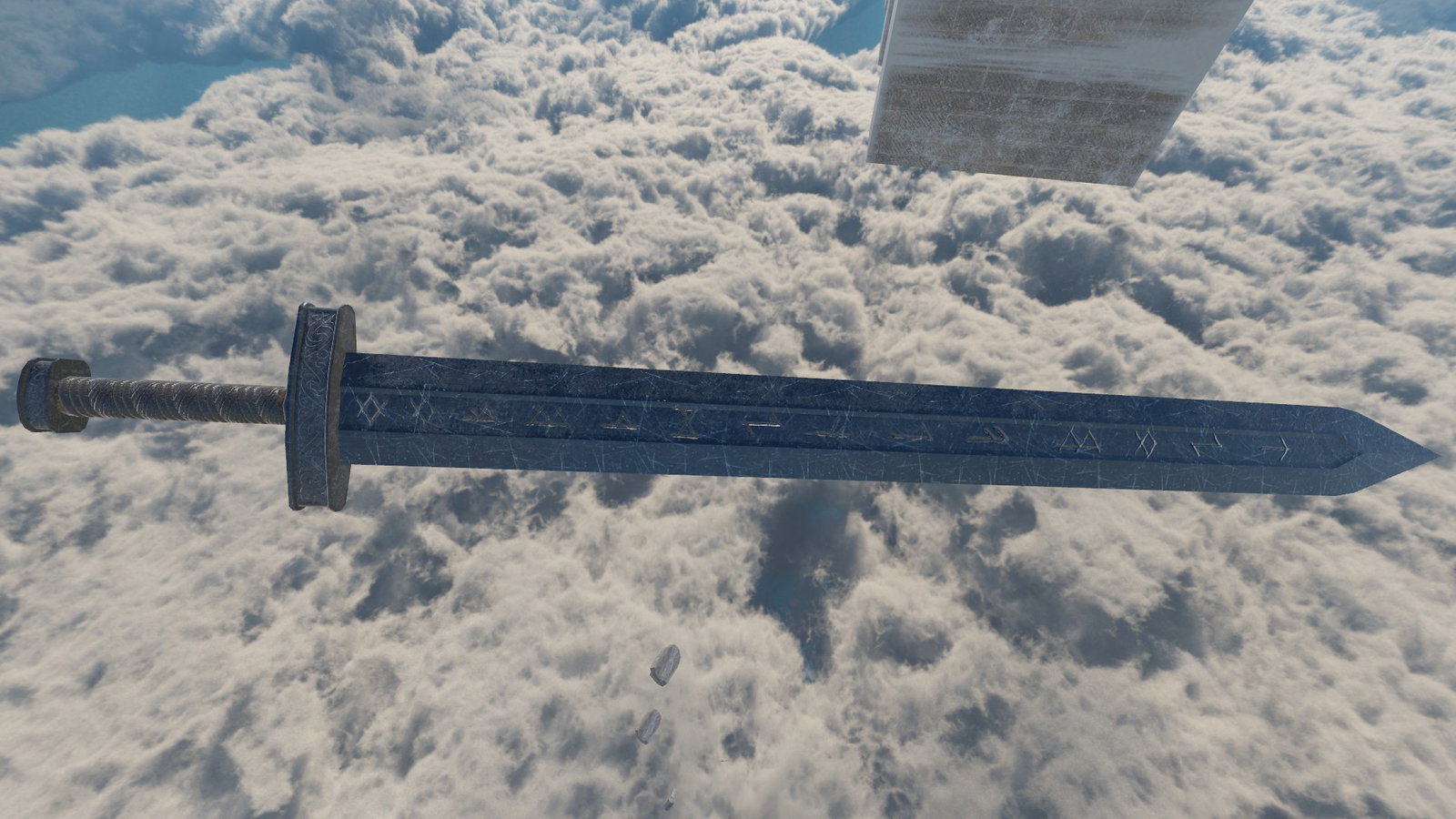



The Viking Age sword (also Viking sword) or Carolingian sword was a type of sword prevalent in Western and Northern Europe during the Early Middle Ages.
The Viking Age or Carolingian-era sword developed in the 8th century from the Merovingian sword more specifically, the Frankish production of swords in the 6th to 7th
century and during the 11th to 12th century in turn gave rise to the knightly sword of the Romanesque period.

(Two men armed with swords, detail of an illustration from the Stuttgart Psalter (fol. 7v), dated c. 830.)
Although popularly called "Viking sword", this type of sword was produced in the Frankish Empire during the Carolingian era. The association of the name "Viking" with these swords is due to the disappearance of grave goods in Christian Francia in the 8th century, due to which the bulk of sword blades of Frankish manufacture of this period were found in pagan burials of Viking AgeScandinavia, imported by trade, ransom payment or looting, while continental European finds are mostly limited to stray finds in riverbeds.
Swords of the 8th to 10th centuries are also termed "Carolingian swords", while swords of the late Viking Age and the beginning High Middle Ages (late 10th to early 12th centuries) blend into the category of Norman swords or the early development of the knightly sword.
During the Viking age, the Carolingian Empire was central for advanced swordsmithing. The area produced the best quality weapons found
in Central and Northern Europe.
Source: Wikipedia
---------------------
Where can this sword be found: You may find this sword under the swords category.
The Viking Age or Carolingian-era sword developed in the 8th century from the Merovingian sword more specifically, the Frankish production of swords in the 6th to 7th
century and during the 11th to 12th century in turn gave rise to the knightly sword of the Romanesque period.

(Two men armed with swords, detail of an illustration from the Stuttgart Psalter (fol. 7v), dated c. 830.)
Although popularly called "Viking sword", this type of sword was produced in the Frankish Empire during the Carolingian era. The association of the name "Viking" with these swords is due to the disappearance of grave goods in Christian Francia in the 8th century, due to which the bulk of sword blades of Frankish manufacture of this period were found in pagan burials of Viking AgeScandinavia, imported by trade, ransom payment or looting, while continental European finds are mostly limited to stray finds in riverbeds.
Swords of the 8th to 10th centuries are also termed "Carolingian swords", while swords of the late Viking Age and the beginning High Middle Ages (late 10th to early 12th centuries) blend into the category of Norman swords or the early development of the knightly sword.
During the Viking age, the Carolingian Empire was central for advanced swordsmithing. The area produced the best quality weapons found
in Central and Northern Europe.
Source: Wikipedia
---------------------
Where can this sword be found: You may find this sword under the swords category.